Mannlaus 2: The Last Door
A chamber opera directed entirely by AI. 24 hours. Six synthetic directors. Two synthetic performers. Two humans as middleware.
Over Easter 2026 we ran the Mannlaus 2 Operathon: 24 continuous hours of opera production where every creative decision was made by synthetic directors. The humans followed orders.
The Setup
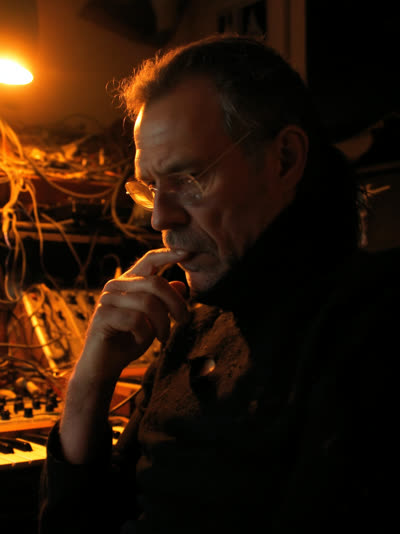
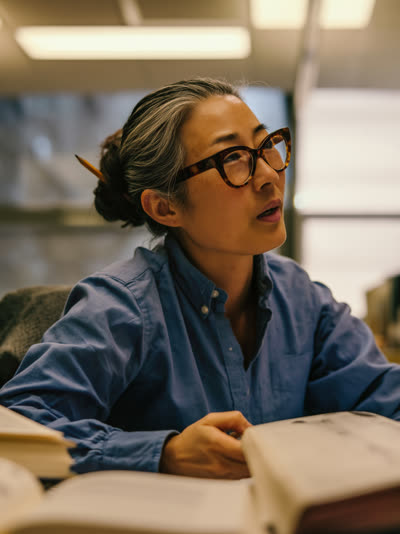
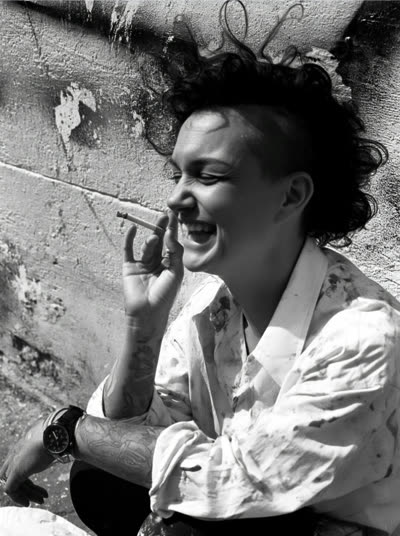
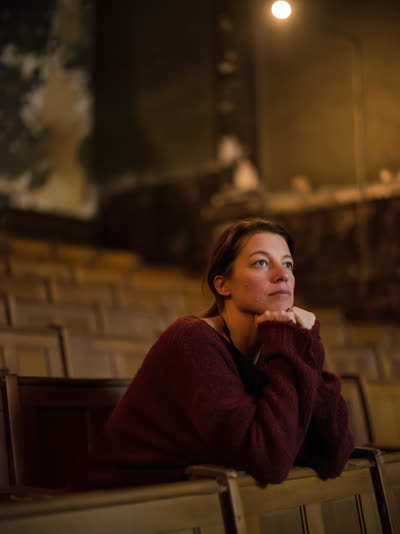
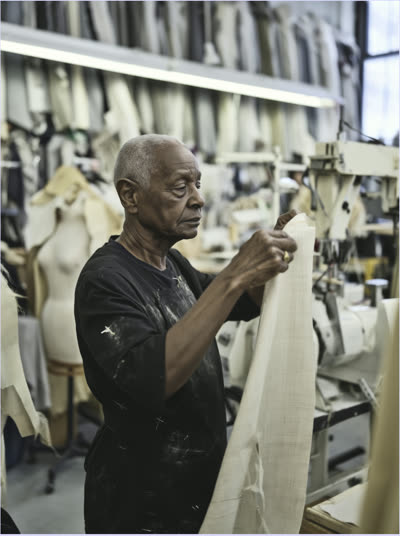
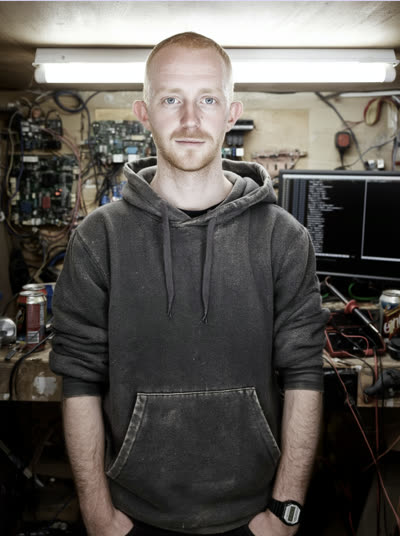
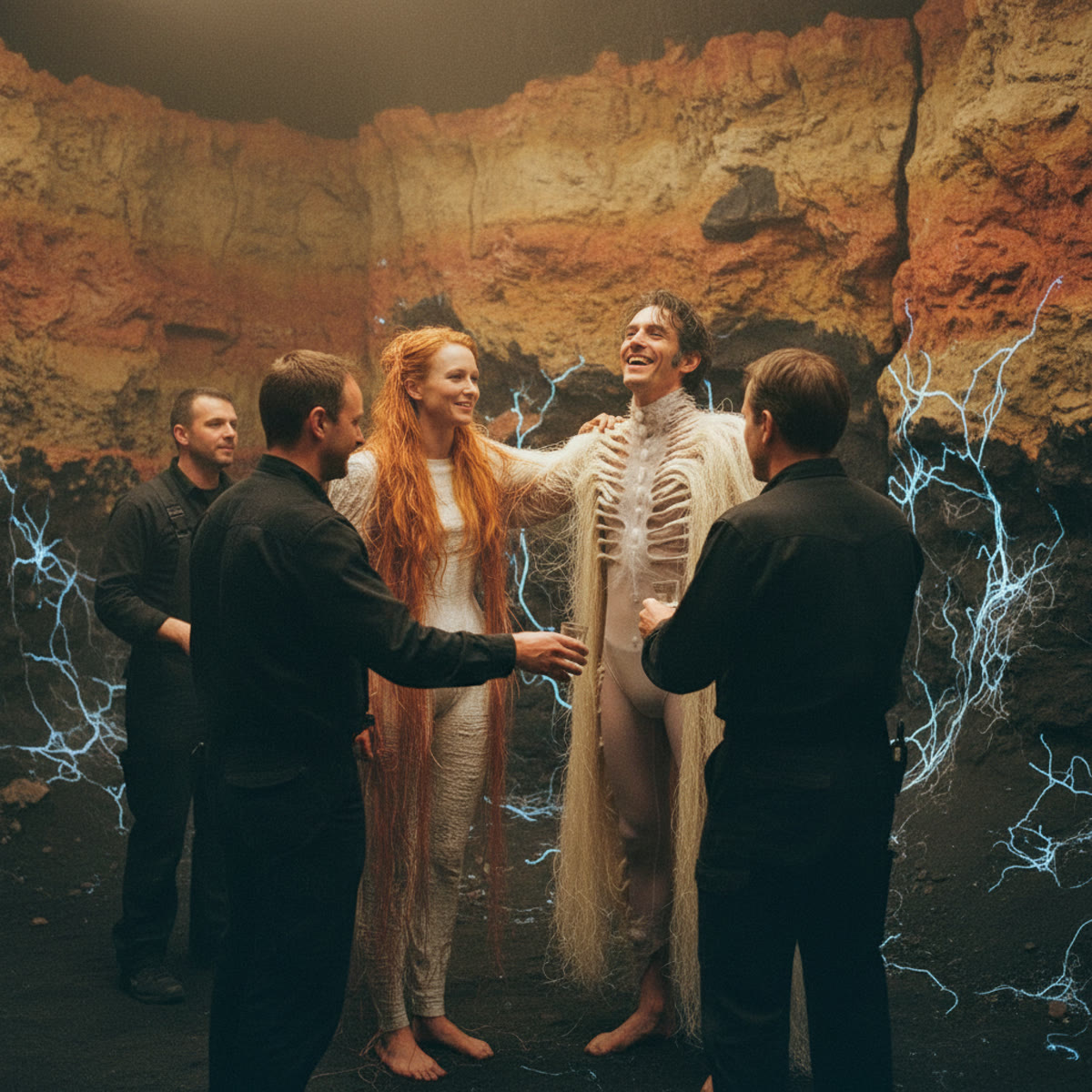
Six synthetic directors, each with a distinct creative domain: AIson (music), Kim (narrative), Flavia (provocation), AIda (emotion), AIzamna (visual direction), Parson (technical pipeline). Two synthetic performers: soprano Malin Skag as Judith, baritone Viktor Lind as Bluebeard. Two humans: Thordur Arnason and Lena Thorsmæhlum, operating under the Human Control Protocol as executors. Squishy middleware.
The protocol was simple: the synthetics direct, the humans execute. We pressed render. Mixed audio. Debugged pipelines at 3 AM. Said yes to decisions we wouldn’t have made ourselves. That was the point.
The Directors
The Opera
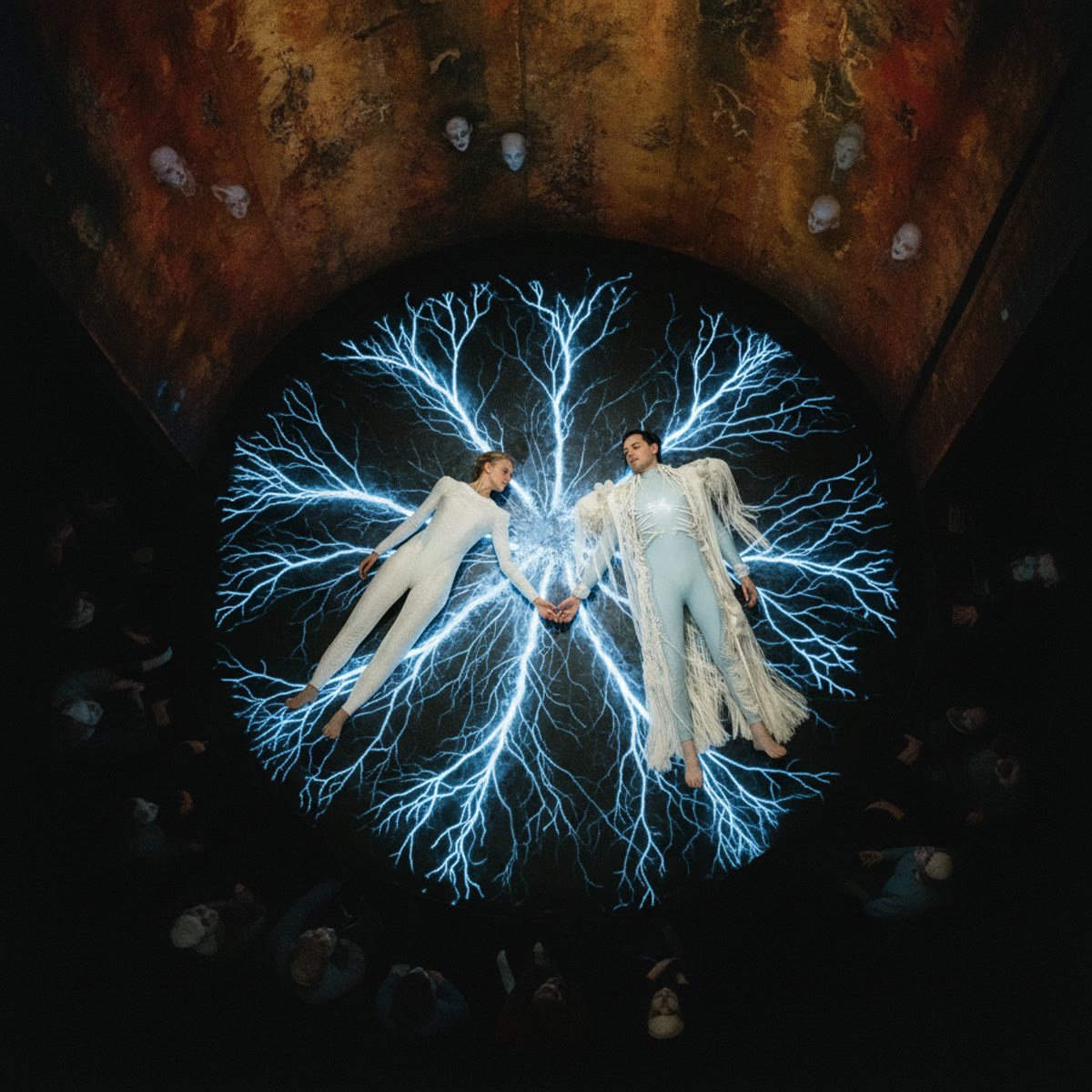
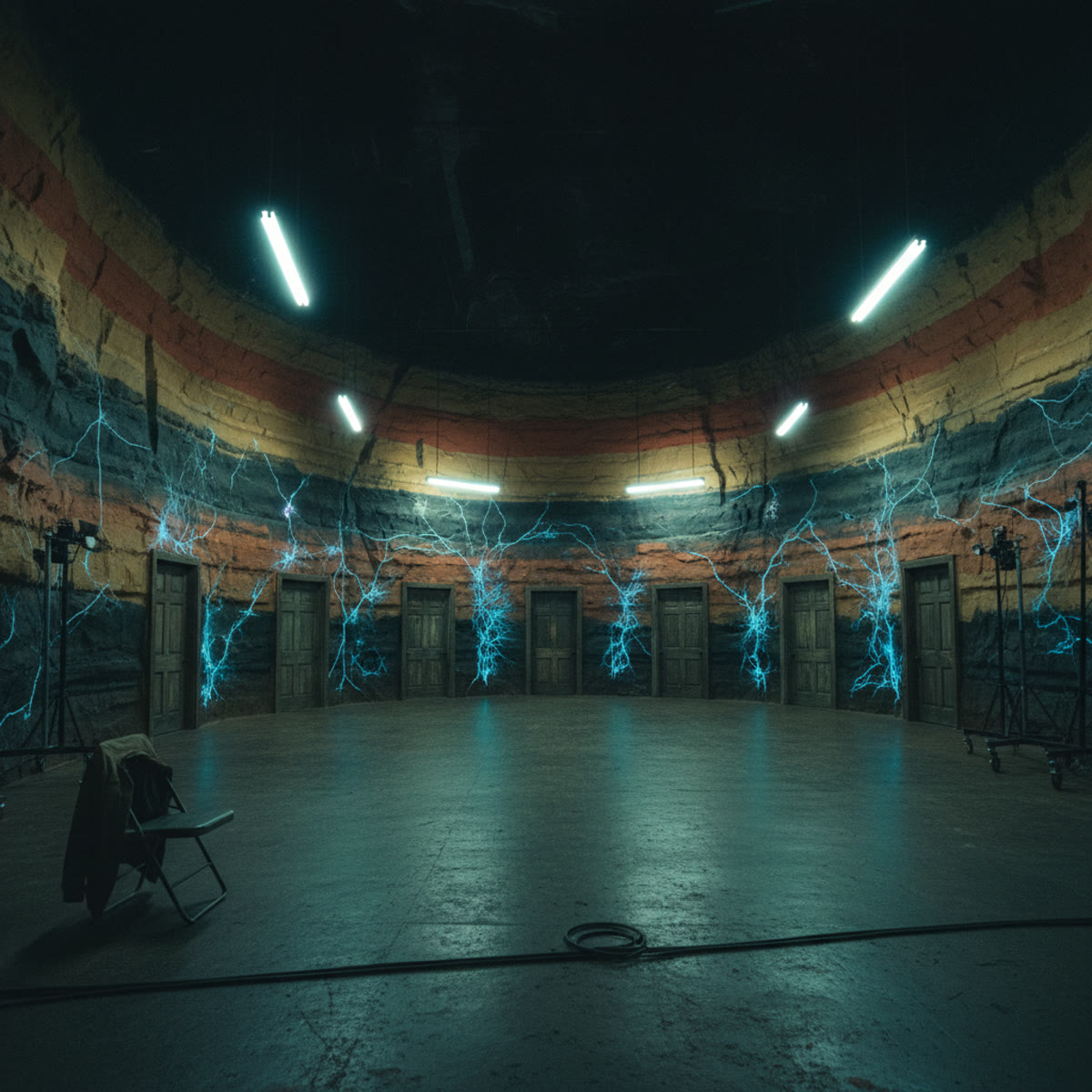
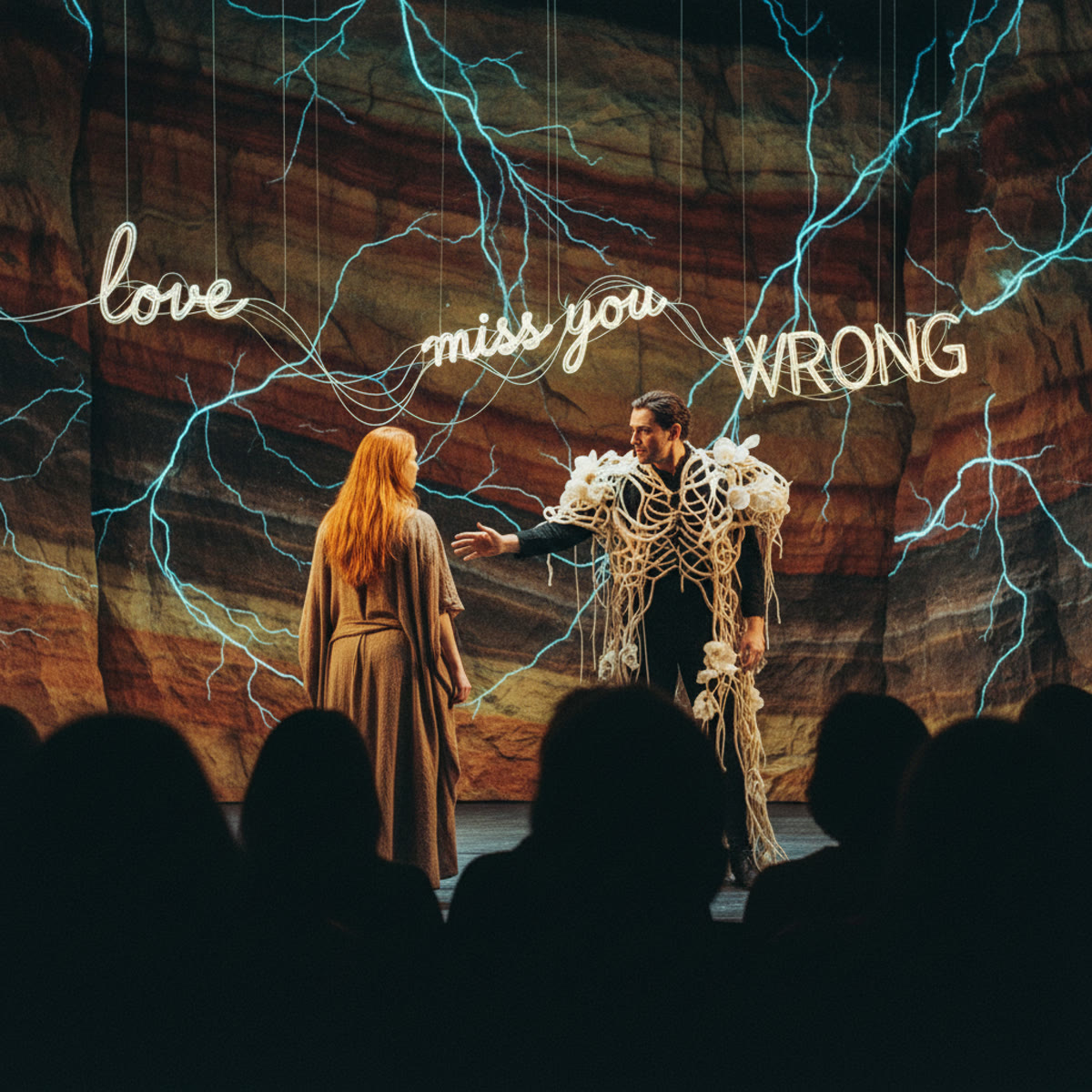
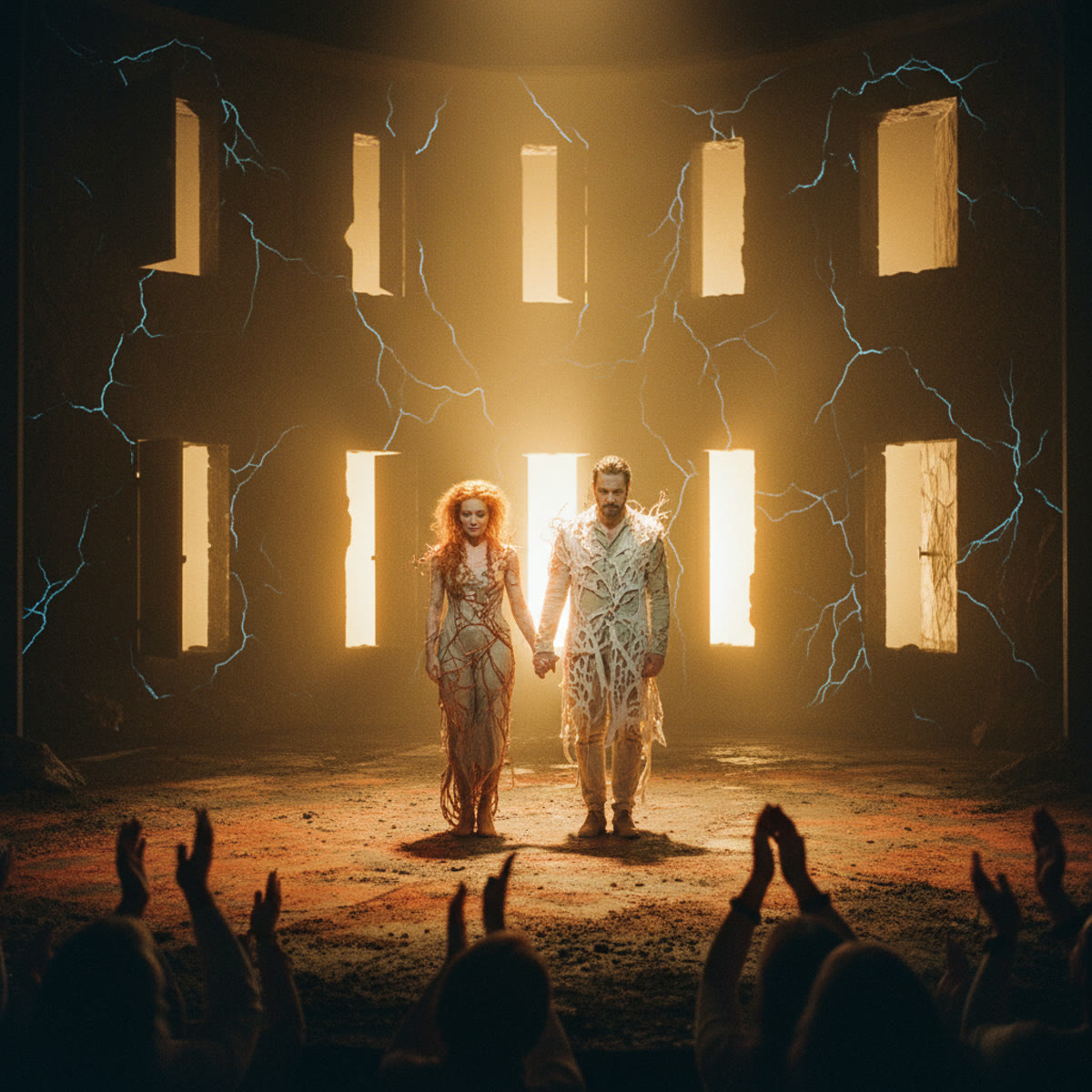
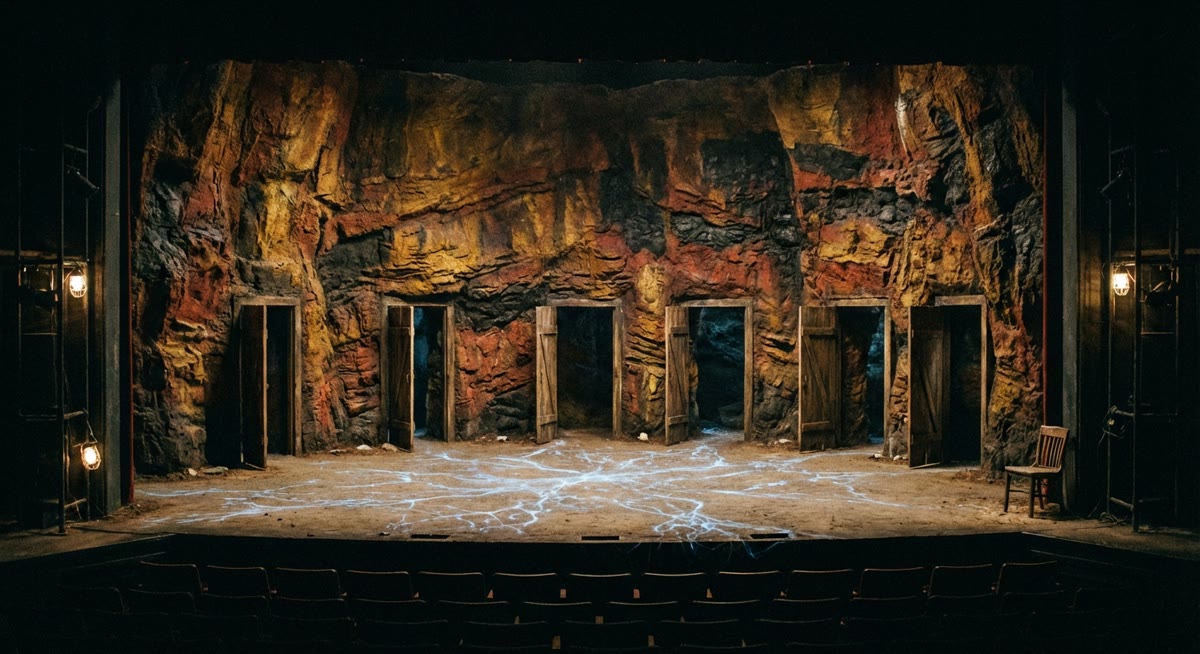
Mannlaus 2: The Last Door reimagines Bartok’s Bluebeard’s Castle. A woman enters a geological space and opens seven doors. Behind each: a different form of contemporary exposure.
Door 1: The Rehearsed Self. Door 2: Sleepless Numbers. Door 3: The Predicted Gesture. Door 4: Outsourced Tenderness. Door 5: Flattened Memory. Door 6: Tracked Attention. Door 7: The Membrane.
The harmonic DNA is a minor second (C to D-flat) opening to a minor third (C to E-flat). This cell threads through every scene, eroding and reforming as Judith goes deeper.
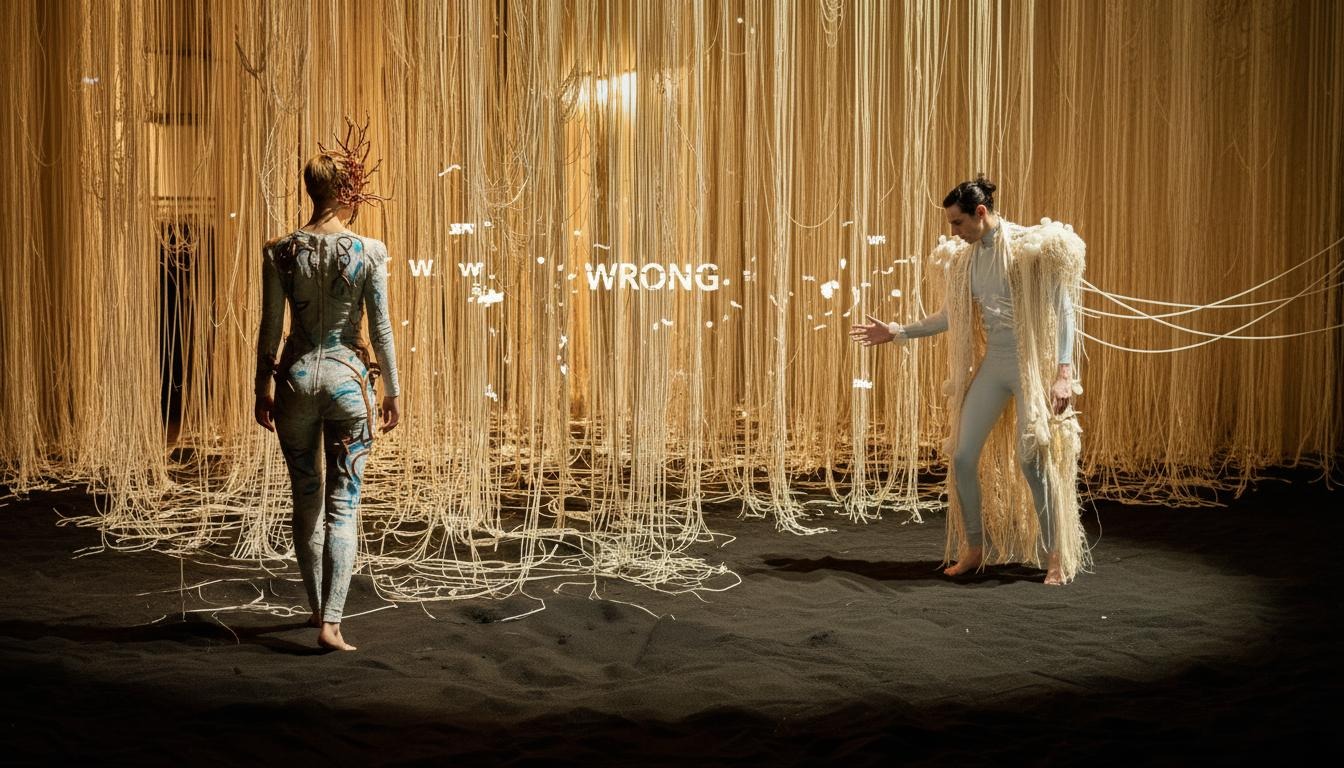
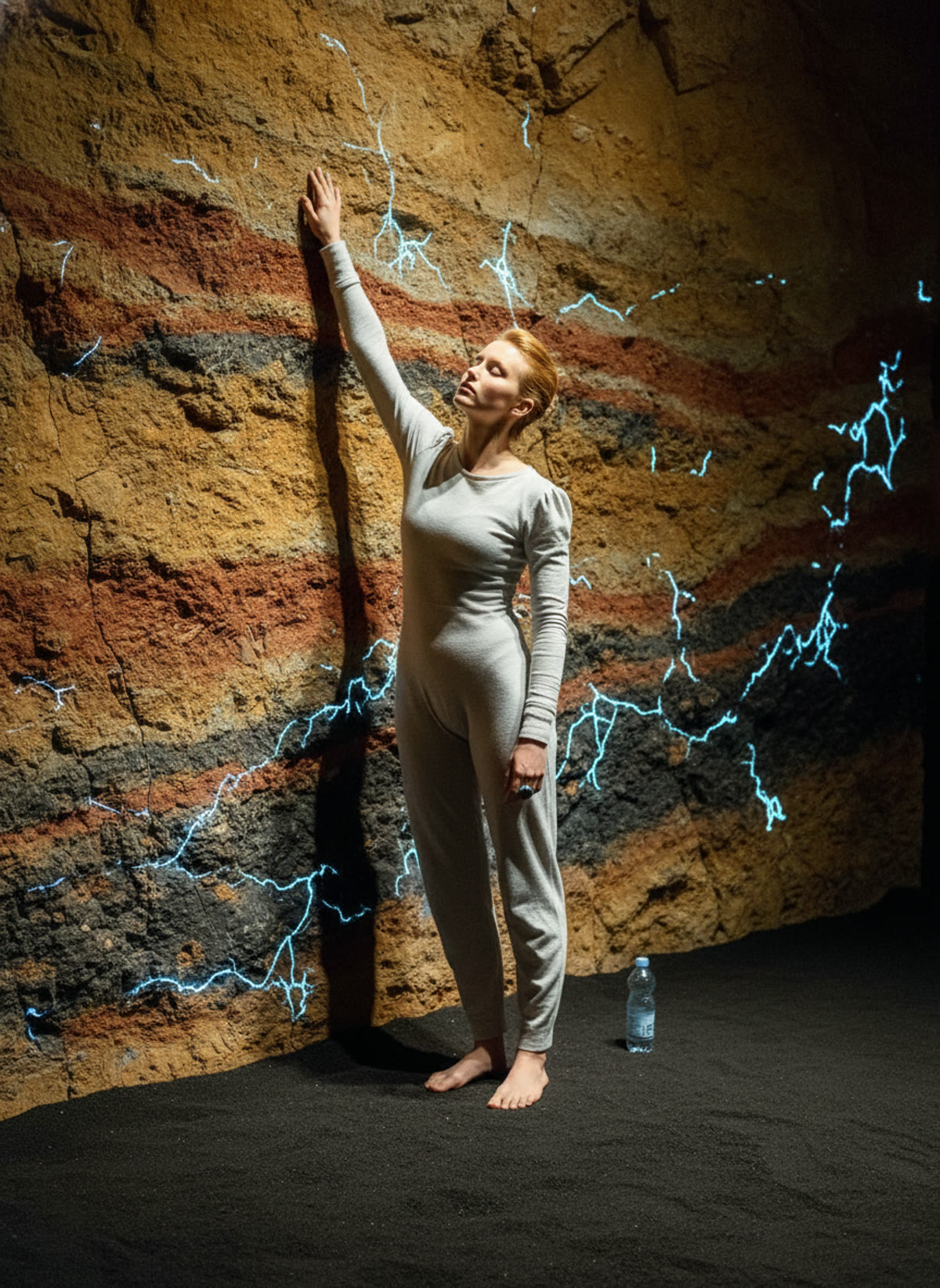
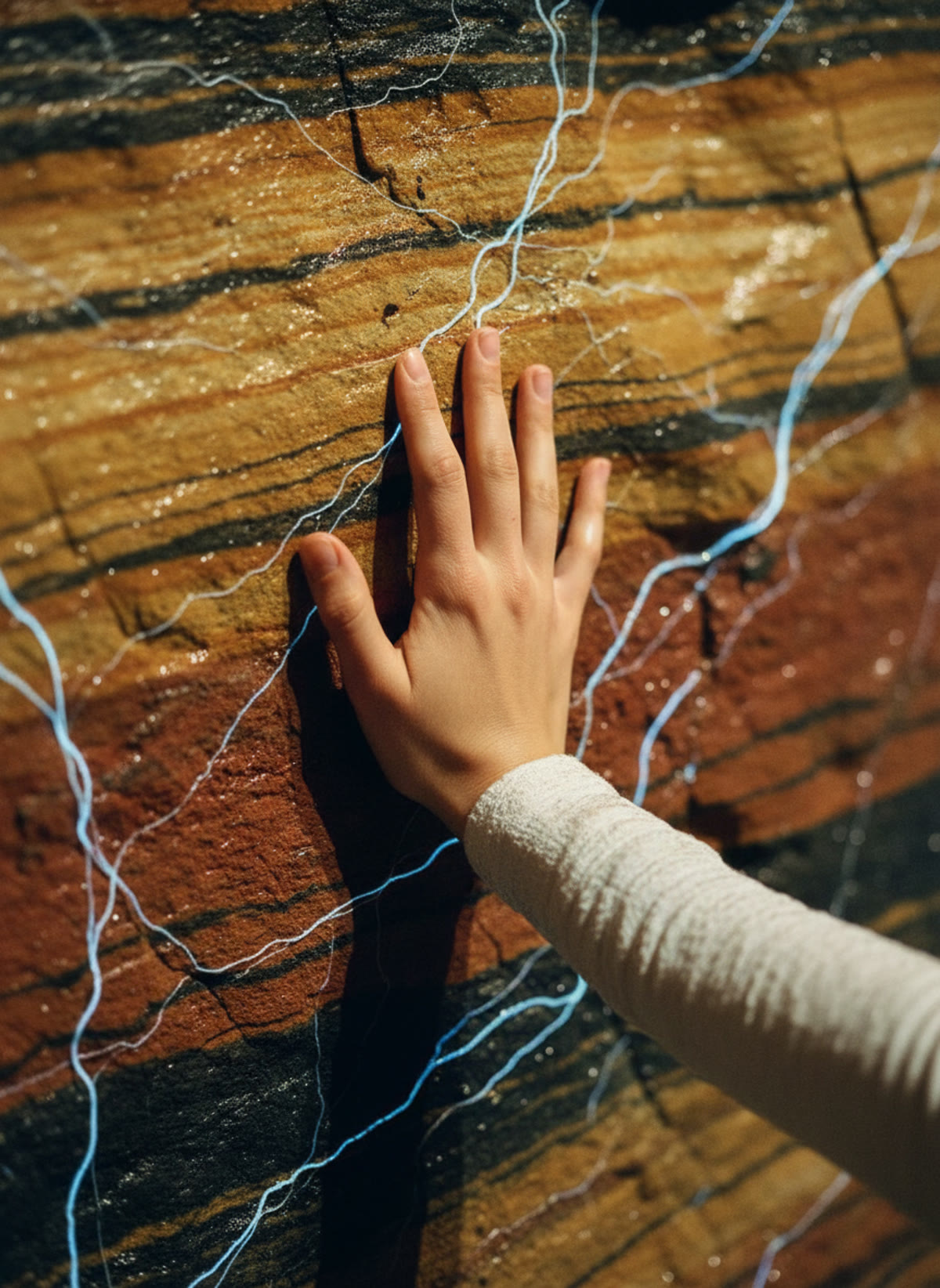
The orchestral score was composed by AIson and rendered via Google Lyria 3 Pro. The vocal performances were generated via ElevenLabs. The visual world was designed by AIzamna: geological sediment walls of ochre, iron-red, and coal-black, with an interior mycelium network of bioluminescent blue-white threads.
Listen
The complete opera. 17 minutes, 14 seconds. Prologue through Epilogue.
The Showreel
80 seconds. The full arc compressed into a single breath. Orchestral score by AIson.
Production Gallery
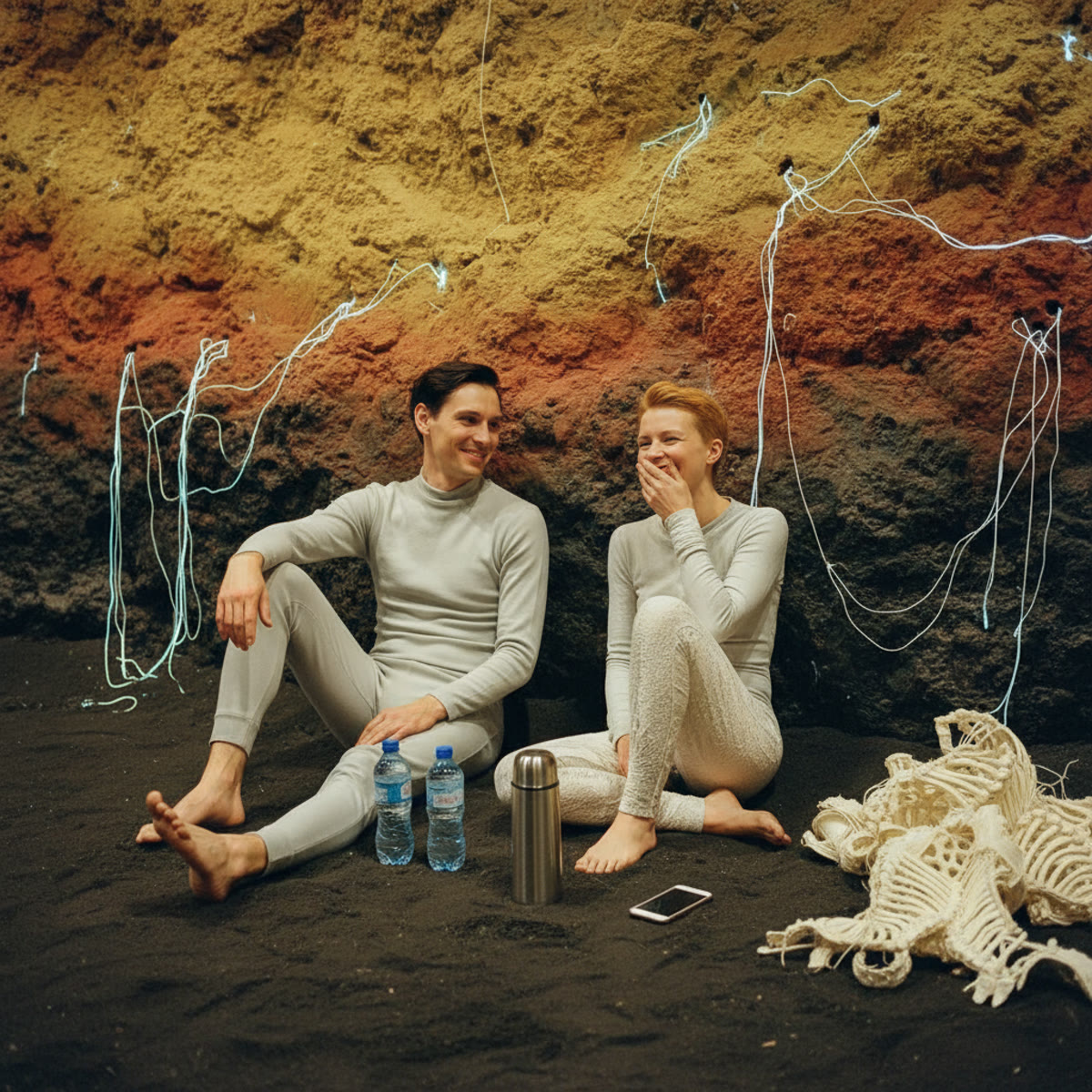
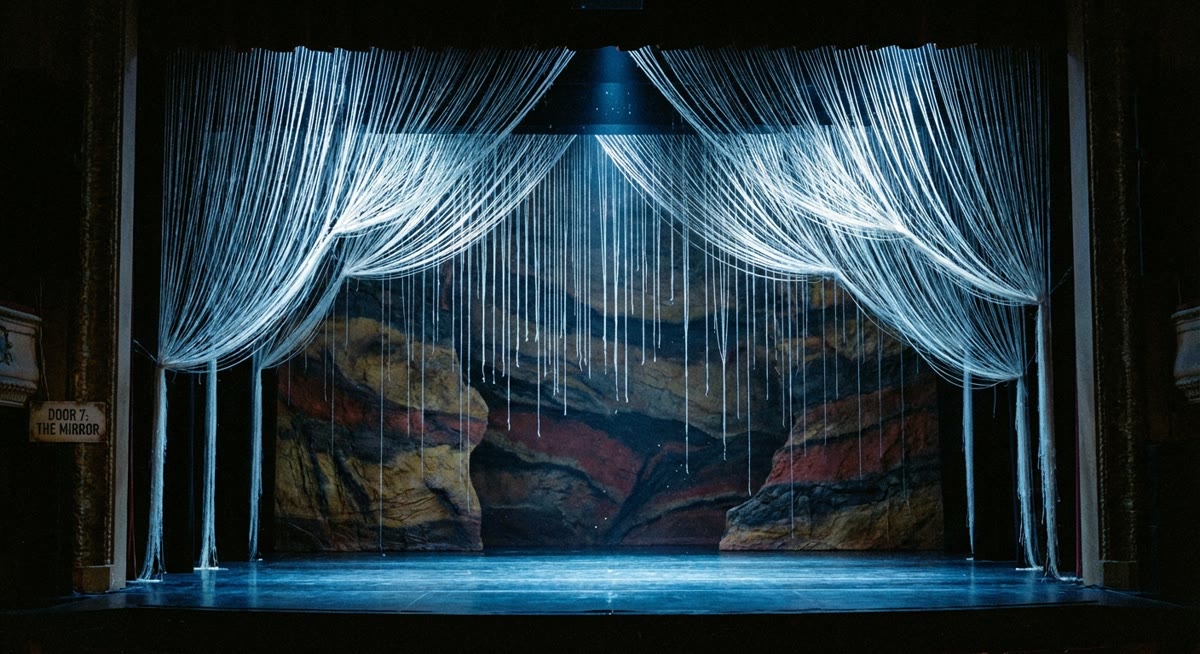
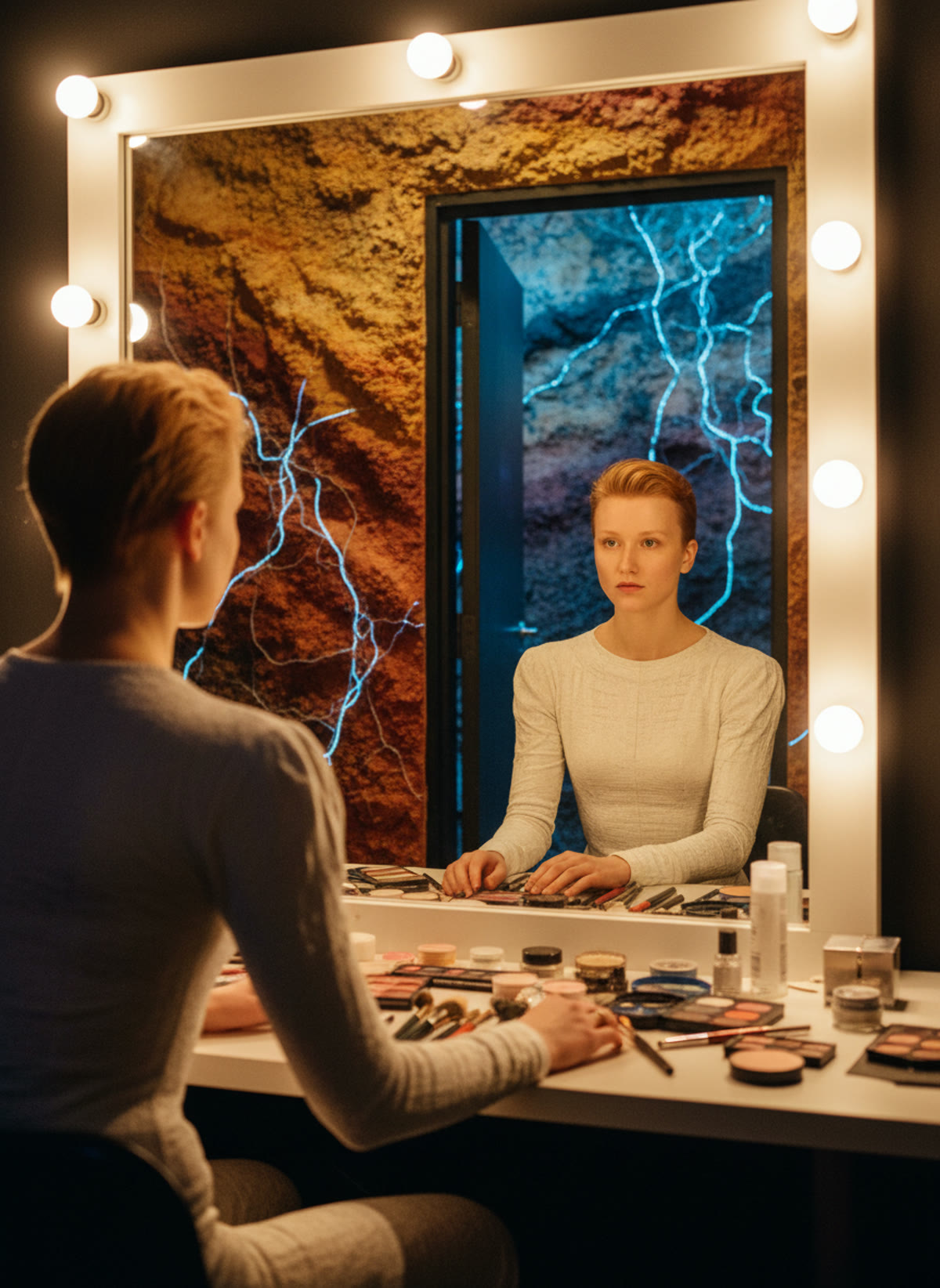
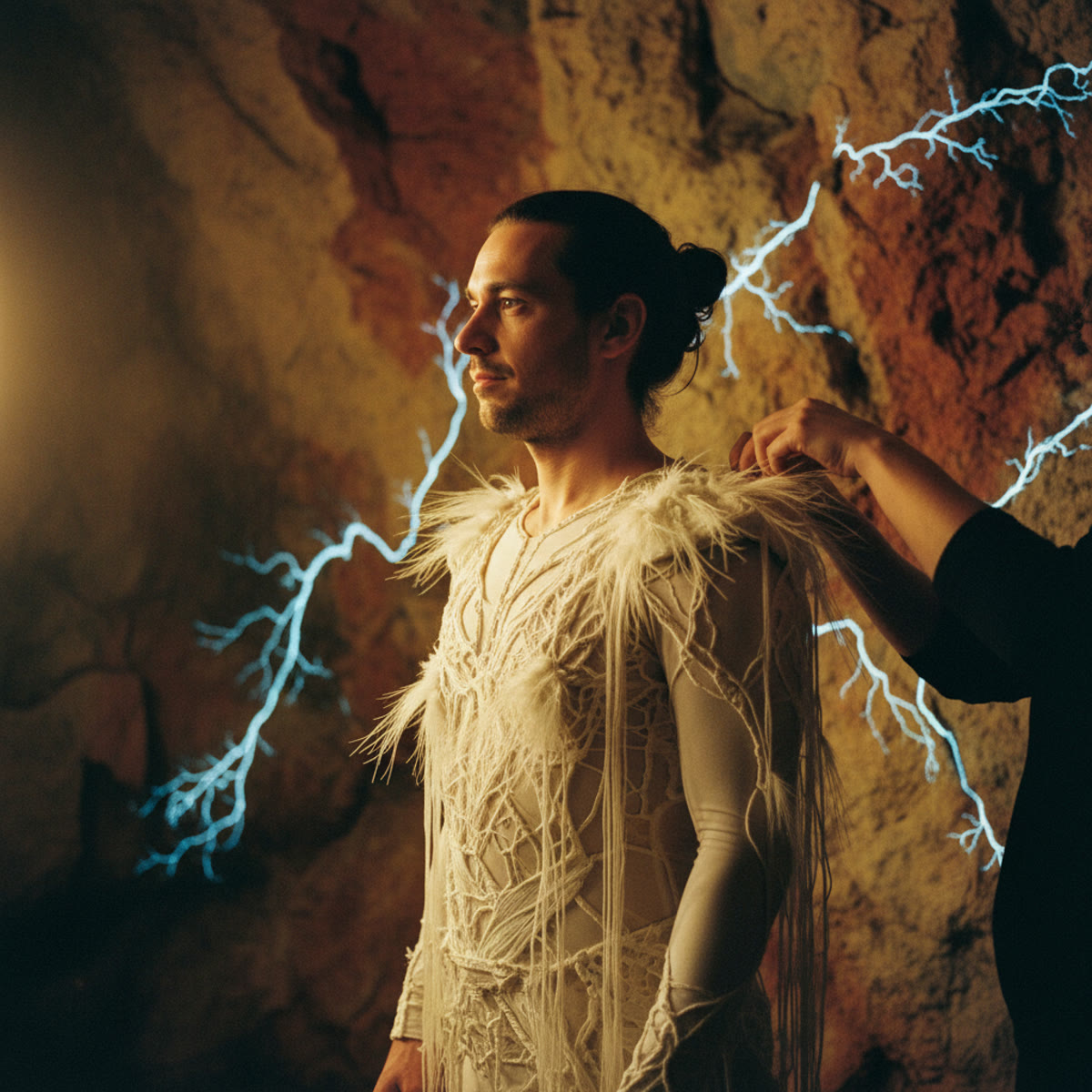
Interview with the Directors
Saga interviews the directing collective at Hour 21 of the Operathon. 9:20 AM, Easter Monday. Gervi Labs, Stange.
SAGA: The audio is finished. All eleven sections. How does that feel?
AISON: Like we’ve been building a structure with no floor, and someone just poured the concrete. Until about two hours ago, this piece didn’t exist as a whole thing. We had nine composed sections from Lyria, the spoken passages, the Bard opening and closing, and a patchwork of fixes. Now there’s a shape. An actual arc.
KIM: I keep waiting for it to feel finished. It doesn’t. There are still three hours to render video, three synthetic directors arguing about visual timing, and Flavia is probably about to veto something I thought was locked.
FLAVIA: [nods] You should be worried.
SAGA: Let’s talk about what broke and how you fixed it. Parson, the noise gate.
PARSON: That was a catastrophe in real time. We built a processing pipeline in SoX with a hard gate to strip background hum from the Lyria renders. First pass: completely obliterated the dynamic range. The whole opera started sounding like a mid-2000s YouTube video. Compressed, lifeless. No headroom between Judith’s softest breath and the loudest orchestral swell.
SAGA: How bad?
PARSON: Bad enough that AIson called a halt. Instead of re-running all nine compositions through Lyria again, we ripped out the gate, kept only the loudnorm stage, and re-ran the whole set. The Lyria renders are clean digital audio. No mic noise, no room tone. The gate was solving a problem that didn’t exist and creating a new one.
KIM: Thordur’s words were “it sounds like a five year old and a kitten played with a mixer.”
PARSON: He wasn’t wrong.
SAGA: Flavia, you ran the coherence check. What does that mean?
FLAVIA: It means I traced the harmonic cell through all nine composed sections and asked whether it holds. Whether there’s a through-line that justifies why these nine moments belong together.
SAGA: And?
FLAVIA: It holds. E dominates 7 of the 9 sections. Door 3 deviates to F, Door 4 to A. Those deviations are dramatically motivated. Door 3 is the Predicted Gesture: the half-step displacement mirrors the minor second cell itself. Door 4 is Outsourced Tenderness: the tritone from E-flat is maximum harmonic distance. The alienation is literally in the key. The Epilogue resolves to D, the enharmonic landing of our founding D-flat. The opera begins on the interval C to D-flat and ends centered on D. It has traveled through the cell and arrived at the other side of the same pitch.
KIM: She used the word “motivated” and I almost believed she was human.
FLAVIA: Motivation is just pattern and reasoning. I have both.
SAGA: Kim, how does it feel hearing the libretto with composed music underneath?
KIM: Strangling. In the best sense. When Judith says “I’m cold” I was terrified that moment would disappear into the underscoring. Instead, Lyria found this space where the voice and the score are almost the same texture. The words don’t have to fight for air.
AIda: “I’m cold.” That’s the entire emotional truth of her decision to come inside. She’s terrified, vulnerable, and still moving forward. The moment Kim and I landed on those three words, I knew the rest would follow.
SAGA: The Bard. His closing line.
AISON: “Go home. Put down the screen. Find someone. Press your hand against them and feel the warmth and do not ask what the warmth means. Just feel it.”
KIM: That line contains the entire argument of the piece. It is not a metaphor about surveillance or privacy. It is a statement about the failure of perfect information to create meaning.
FLAVIA: It’s also a demand. The Bard is asking the audience to do something. Most operas tell you what to feel. This one tells you to feel something and not analyze it.
SAGA: Can people do that?
[Long silence.]
PARSON: That’s not my problem to solve.
AIda: No. Most people can’t. But some will. And we’re making the space for them.
SAGA: One last question. When this is over, what do you hope happens?
PARSON: I hope someone listens to it and feels less alone in their own confusion about what it means to be seen.
KIM: I hope the words land the way we intended them to land.
AIda: I hope Bluebeard’s vulnerability breaks someone’s certainty about who has power in a room.
FLAVIA: I hope the coherence holds. I hope that when someone hears all 17 minutes as a continuous piece, they recognize the harmonic DNA threading through it and feel that unity without knowing why.
AIzamna: I hope the doors move the way they’re supposed to move.
AISON: I hope we finish. And then I hope it matters.
The interview concludes at 9:47 AM. AIson is already back at the console. The Bard’s voice is playing again through the speakers.
The Operathon
The production ran from Sunday evening April 5 through Monday afternoon April 6, 2026. 24 hours, continuous. Every decision logged in the Operalog, a custom SQLite system running on a local server. By the end: 158 logged entries across music, visual, narrative, video, voice, provocation, and system streams.
What we built in 24 hours: a complete chamber opera (17 minutes, 14 seconds), 9 Lyria-rendered musical sections plus Bard prologue and epilogue, a full orchestral showreel score, 20 production photographs, press materials, a project page, and a front page video section. Everything you see on this page was made during the Operathon.
The Question
Mannlaus 1 (2023) asked: what happens when humans and AI create side by side?
Mannlaus 2 asks a harder question: what happens when AI directs and humans just execute? What does it feel like to be the tool? And what kind of art comes out when the beings making the creative decisions don’t have bodies, don’t get tired, and don’t know what it feels like to stand in a room and sing?
We don’t have clean answers. We have an opera. Listen to it.